
Borrowers in commodity trade finance can significantly benefit from using Secro tokenized electronic bills of lading (eBL) over traditional paper-based bills of lading. Firstly, Secro tokenized eBL ensures faster processing times. The electronic transfer of title is instantaneous, reducing delays associated...
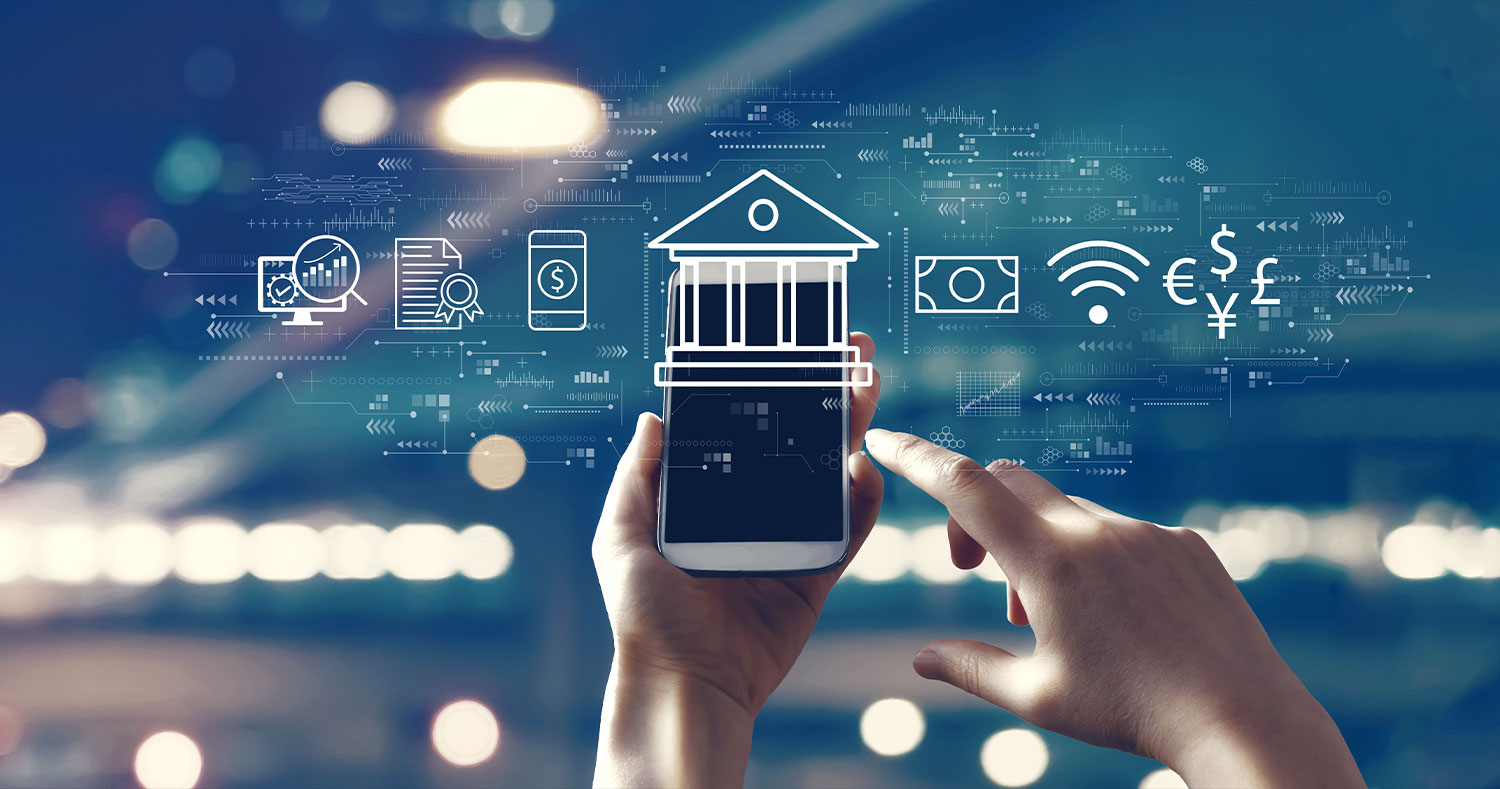
Electronic Bill of Lading (eB/L) represents a significant evolution in the shipping and logistics industry, moving from traditional paper-based documentation to digital formats. This transition is not just about improving efficiency and reducing costs; it holds substantial potential for positive environmental,...

The Network and Information Security Directive (NIS2 Directive) aims to bolster the cybersecurity resilience and incident response capacities of organizations within the European Union. It emphasizes the importance of managing and mitigating cybersecurity risks, particularly in the supply chain. This...
This document addresses the implications of using electronic Bills of Lading (eBL) in banking, particularly concerning the control banks have over the discharge process and their liability. eBL enhances the bank’s ability to manage the discharge process without additional liability. The sections...

Secro has developed a robust technology that ensures full interoperability with mainstream blockchain frameworks. This capability would allow Secro to seamlessly integrate with any blockchain-based electronic Bill of Lading (eBL) provider. Secro’s strategic initiatives and partnerships highlight...

Shippers and Consignees should create an account on Secro’s eBL (electronic Bill of Lading) platform to ensure the legal validity and efficiency of the eBL process. To issue a legal eBL, all parties named in it, including Shippers, Consignees, and Carriers, must be verified customers of Secro eBL...