
Piotr Cichocki May 2026 Secro Inc. – Managing Director, Maritime & Trade Solutioning “The Clock Starts When the Document Arrives” How digitalization of the documentary set changes the economics of commodity trade for the Seller Abstract: In commodity trade, the physical transfer of goods...

Piotr Cichocki May 2026 Secro Inc. – Maritime & Trade Solutioning, Managing Director LOI. Syndrome or Solution? Letters of Indemnity in commodity trade: what digitalization can – and cannot – fix. I. The instrument nobody wants and everybody uses Ask any commodity trader, shipowner,...

Piotr Cichocki April 2026 Secro Inc. – Maritime & Trade Solutioning, Managing Director „I love standards. There are so many of them.” Why commodity trade’s digitalization keeps arriving at the wrong destination – and what to do about it. Three platforms. Four standards bodies. Five working...

China’s Maritime Code took effect on May 1st 2026 – its first rewrite since 1993. For the first time, electronic bills of lading are legally recognized in China under statute. For anyone handling BLs on China trades – in a bank’s documentary team, a commodity trader’s operations...
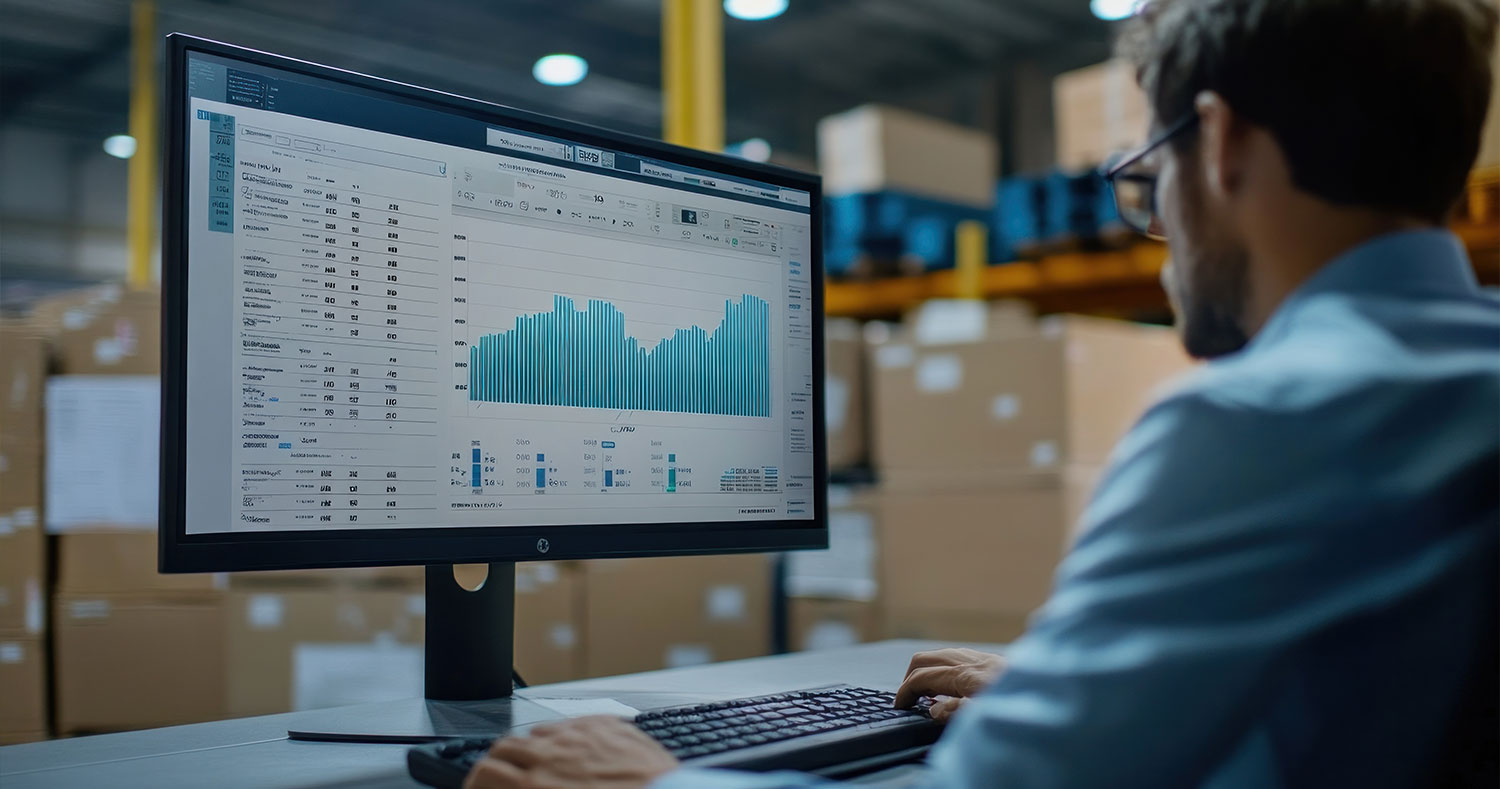
Legacy E-Bills of Lading Traditional e-bills of lading, introduced by various providers since the early 2000s, base their legal validity on a private multi-party agreement known as the “rulebook.” Despite their potential, these legacy e-bills have seen limited adoption, with a current usage...

In this analysis, we compared two scenarios for a bank’s $100 million portfolio of commodity trade finance loans: one where 100% of the portfolio is secured with Secro tokenized e-bills of lading (eBL) and another where only 70% of the portfolio is secured due to the use of couriered paper bills...